

 EasyProps
 06 May, 2026
A home is more than just a physical structure—it is a space where energy flows and influences your daily life. According to traditional Indian principles, aligning your home with natural directions can significantly impact your health, wealth, and relationships. This is where Vastu Shastra plays an important role.
In today’s modern lifestyle, many homeowners still prefer incorporating Vastu principles while designing or arranging their homes. A proper Vastu chart helps create balance between natural elements and living spaces. Whether you are building a new home or adjusting an existing one, understanding Vastu can help you achieve a more positive and harmonious environment.
What is a Vastu Chart for Home?
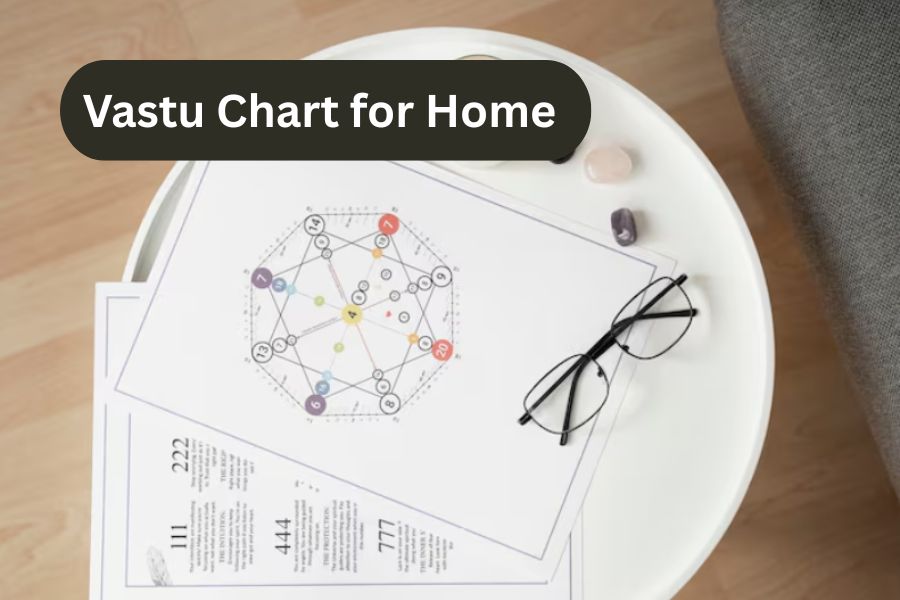
A Vastu chart is a directional map of your home that divides the layout into different zones. Each zone corresponds to a specific direction and element such as water, fire, air, or earth. These elements influence different aspects of your life like health, career, and relationships.
By using a Vastu chart, you can plan the placement of rooms, entrances, and utilities in a way that enhances positive energy. It acts as a guiding tool for homeowners, architects, and interior designers to create a balanced living space. Even small changes based on this chart can make a noticeable difference in overall well-being.
You May Also Like: Top 10 Highest Buildings In Ahmedabad 2026: Price & Builders
Importance of Directions in a Vastu Chart
Directions are the core foundation of Vastu principles, as each direction carries a specific type of energy. Proper understanding of these directions helps in designing a home that promotes balance and harmony. When rooms and elements are placed according to the right direction, it allows natural energy to flow freely.
Ignoring directional alignment can lead to imbalance, which may affect mental peace, financial growth, and relationships. Therefore, learning about each direction and its significance is essential before planning or modifying your home layout.
North – Wealth and Opportunities
The north direction is associated with financial growth, career opportunities, and success. Keeping this area open and clutter-free helps attract positive financial energy. It is also considered ideal for placing the main entrance or living areas.
Proper lighting and ventilation in the north direction enhance energy flow and create a welcoming environment. Avoid placing heavy structures or storage units here, as they may block opportunities and growth.
East – Health and Social Connections
The east direction is linked to sunlight, health, and positive social interactions. Homes with openings in this direction receive early morning sunlight, which is beneficial for physical and mental well-being. It also promotes positivity and freshness throughout the day.
Keeping this area clean and well-organized improves relationships and communication. It is a great direction for windows, balconies, or living spaces where natural light can enter easily.
South – Stability and Fame
The south direction represents strength, stability, and recognition in life. It is suitable for heavy structures like storage rooms or staircases, which help balance energy within the house. This direction provides grounding and support.
However, it is generally not recommended for the main entrance. Proper use of this direction can bring long-term stability and professional success when managed correctly.
West – Growth and Gains
The west direction is associated with growth, profits, and achievements. It supports business expansion and financial stability when utilized properly. This direction is ideal for dining areas or storage spaces.
Maintaining cleanliness and avoiding clutter in this area helps in sustaining progress. Balanced use of the west direction can bring steady growth in both personal and professional life.
Northeast – Spirituality and Positivity
The northeast is considered the most sacred and powerful direction in Vastu. It is associated with spirituality, peace, and wisdom. This zone should always be kept light, clean, and free from heavy structures.
It is the best location for a puja room, meditation space, or open area. Proper utilization of this direction enhances mental clarity and attracts positive energy into the home.
Southeast – Fire and Kitchen Zone
The southeast direction is governed by the fire element, making it ideal for kitchens and electrical appliances. Placing the kitchen in this zone ensures balance and reduces negative effects related to fire energy.
Cooking in the correct direction promotes health and harmony within the family. Avoid placing water-related elements in this zone, as it can create imbalance.
Southwest – Strength and Relationships
The southwest direction represents stability, strength, and strong relationships. It is considered the best location for the master bedroom, as it provides emotional security and better decision-making.
Keeping this area heavy and well-structured helps maintain balance in the home. It also supports long-term stability in both personal and financial aspects.
Northwest – Movement and Support
The northwest direction is linked with movement, change, and external support. It is suitable for guest rooms, storage areas, or spaces related to communication and travel.
This direction ensures smooth transitions and helps maintain social connections. Proper use of this zone can bring helpful opportunities and support from others.
Ideal Room Placement as per Vastu Chart
Room placement plays a major role in maintaining harmony within a home. Each room serves a different purpose and must be aligned with the right direction to ensure proper energy flow. A well-planned layout can improve both functionality and positivity.
Following Vastu guidelines for room placement helps avoid common issues like stress, financial instability, or health problems. Even if structural changes are not possible, small adjustments can still make a positive impact.
Best Direction for Main Entrance
The main entrance is considered the entry point of energy into the home. North, east, or northeast-facing entrances are highly recommended as they invite positive vibrations. A well-lit and clean entrance enhances prosperity.
Avoid placing obstacles near the entrance, as they can block energy flow. Decorative elements like plants or nameplates can further improve positivity.
Living Room Placement
The living room should ideally be located in the north, east, or northeast direction. These areas promote social interaction and create a welcoming atmosphere for guests. Proper ventilation and lighting are important here.
Arranging furniture in a way that allows free movement enhances comfort. Keeping this space clutter-free helps maintain a positive environment.
Kitchen Direction
The kitchen is best placed in the southeast direction due to its association with the fire element. This ensures balance and promotes good health for the family. Cooking facing east is considered beneficial.
If southeast placement is not possible, the northwest can be used as an alternative. Avoid placing the kitchen in the northeast, as it disrupts energy balance.
Master Bedroom Location
The southwest direction is ideal for the master bedroom, as it provides stability and security. It helps in improving relationships and ensures better sleep quality.
Heavy furniture like beds and wardrobes should be placed in this direction. Avoid placing mirrors directly in front of the bed.
Children’s Room Setup
Children’s rooms are best located in the west or northwest directions. These areas support growth, creativity, and learning. Proper lighting and study arrangements are important.
Ensure the study table faces east or north for better concentration. A calm and organized environment helps in academic success.
Bathroom and Toilet Positioning
Bathrooms should be placed in the west or northwest direction to avoid negative energy flow. Proper ventilation is essential to maintain hygiene and positivity.
Avoid placing bathrooms in the northeast, as it is considered highly inauspicious. Keeping the area clean and dry is important.
Puja Room Placement
The puja room should be located in the northeast direction, which is the most spiritual zone. It should be kept clean, quiet, and free from disturbances.
Avoid placing heavy objects or clutter in this area. A peaceful setup enhances spiritual growth and positivity.
Staircase Direction
Staircases are best placed in the south, west, or southwest directions. These placements help maintain balance and stability in the home.
Avoid constructing staircases in the northeast, as it can block positive energy. Proper design and lighting improve overall functionality.
Vastu Chart for Different House Types
Different types of homes require different approaches to Vastu planning. While independent houses offer more flexibility, apartments may need adjustments within limited space. Understanding these differences helps in better implementation.
Even in modern housing setups, Vastu principles can be adapted with practical solutions. The key is to focus on direction alignment and energy balance rather than strict structural changes.
Vastu Chart for Apartments
In apartments, structural changes are limited, so focus on entrance direction, kitchen placement, and furniture arrangement. Small adjustments can still create a positive impact.
Vastu Chart for Independent Houses
Independent homes allow full implementation of Vastu principles, including plot selection and room placement. This provides better control over energy flow.
Vastu Chart for Duplex Homes
Duplex homes require proper alignment between floors, especially for staircases and bedrooms. Maintaining balance across levels is essential.
Vastu Considerations for Small Homes
In smaller homes, decluttering, proper lighting, and smart furniture placement can help maintain positivity. Even minor corrections can improve energy flow.
Benefits of Following a Home Vastu Chart
Following a Vastu chart helps create a balanced and harmonious living environment. It aligns your home with natural elements, improving overall quality of life. Many people experience noticeable changes after implementing Vastu principles.
It not only improves physical surroundings but also impacts mental and emotional well-being. A well-designed home promotes positivity, productivity, and peace.
Improved Peace and Harmony
Proper alignment reduces stress and creates a calm atmosphere. It helps maintain emotional balance within the family.
Better Financial Growth
Correct directional placement attracts wealth and financial stability. It supports long-term growth and opportunities.
Enhanced Health and Relationships
Balanced energy flow improves health and strengthens relationships. It creates a supportive and positive environment.
Positive Energy Circulation
Vastu ensures smooth energy movement throughout the home. This leads to a more vibrant and lively living space.
Common Vastu Mistakes to Avoid
Many homeowners unknowingly make Vastu mistakes that affect energy balance. Identifying and correcting these errors can significantly improve the home environment. Awareness is the first step toward improvement.
Even small mistakes like clutter or improper placement can disrupt harmony. Fixing these issues does not always require major changes.
Wrong Kitchen Placement
Placing the kitchen in the northeast can disturb energy balance and affect health. It should ideally be in the southeast.
Toilet in Northeast
This is considered a major Vastu defect and can lead to negative energy. It should be avoided or corrected.
Blocked Entrances
Obstacles near entrances block positive energy flow. Keeping the entrance clean and open is essential.
Improper Mirror Placement
Incorrect mirror placement can reflect negative energy. Mirrors should be used carefully.
Cluttered Center of the House
The center of the house should remain open and clutter-free. This area is crucial for energy circulation.
You May Also Like: Real Estate Investing Tips: A Complete Guide for Smart Property Investment
How to Create a Vastu Chart for Your Home?
Creating a Vastu chart involves careful observation and planning. It helps in aligning your home layout with natural directions and elements. This process ensures better energy balance.
Even without expert help, basic Vastu principles can be applied with simple tools like a compass. Proper planning leads to long-term benefits.
Analyze House Orientation
Begin by identifying the exact direction your home faces using a compass or a mobile app. This step is crucial as all Vastu planning depends on accurate orientation, which determines how energy flows within the space.
Mark Directional Zones
Divide your home layout into different zones based on the eight primary directions (north, south, east, west, and their sub-directions). This zoning helps in assigning the right function to each area according to Vastu principles.
Assign Rooms According to Vastu
Plan the placement of key rooms such as the kitchen, bedrooms, living room, and entrance based on recommended directions. Proper placement enhances comfort, functionality, and positive energy within the home.
Consult Experts if Required
If your home has a complex layout or structural limitations, consulting a Vastu expert can provide clarity and precision. Professional guidance ensures that the chart is accurate and aligned with both Vastu principles and practical constraints.
Modern Solutions for Vastu Corrections
Modern homes may not always follow traditional Vastu guidelines. However, simple remedies can help correct imbalances without structural changes. These solutions are practical and easy to implement.
Using colors, decor, and proper arrangement can improve energy flow significantly. The goal is to balance energy rather than achieve perfection.
Easy Remedies Without Reconstruction
Minor changes like rearranging furniture or improving lighting can positively impact energy flow. These solutions are convenient and require no structural modifications.
Use of Colors, Symbols, and Placements
Incorporating the right colors, symbols, and decor elements can enhance positive energy. Thoughtful placement of items helps maintain balance in different directions.
Balancing Defects with Practical Changes
Even small adjustments can reduce the effects of Vastu defects. Maintaining cleanliness and organization plays a key role in sustaining positive energy.
Find a Vastu-Friendly Home in Ahmedabad
Explore homes designed with better layout, directions, and positive energy for comfortable living.
Conclusion
A Vastu chart for home is a valuable tool for creating a positive and balanced living space. By understanding directions and proper room placement, you can improve various aspects of life, including health, wealth, and relationships.
While modern lifestyles may not always allow perfect Vastu alignment, even small adjustments can bring noticeable benefits. The key is to combine traditional wisdom with practical solutions to create a comfortable and harmonious home environment.


Recent Tech Q&A
View All